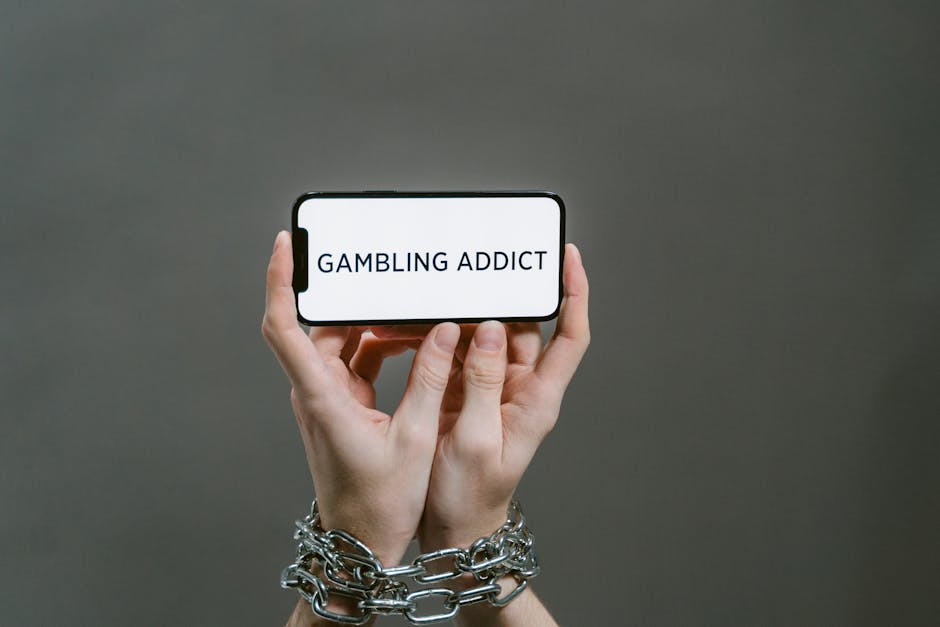

The Cost of Not Setting Limits
When it comes to gambling, luck makes the headlines but self control decides the outcome. Without limits, even a good run can spiral into financial stress, isolation, or worse. Gambling isn’t just a money game; it affects your emotions, routines, and relationships. What starts as fun can quickly become a cycle that’s hard to break.
Financial damage is obvious empty bank accounts, skyrocketing debt, bills falling behind. But the emotional toll sneaks in: anxiety, denial, guilt. Socially, people start pulling back missing events, hiding habits, straining trust.
That’s why prevention beats recovery every time. Spotting the early flags playing to escape stress, lying about time or money spent, feeling the pressure to win back losses is key. The earlier you recognize the signs, the easier it is to course correct.
Limit setting isn’t just about staying under budget. It’s about protecting your whole life. Stay aware, stay grounded, and don’t let the game call the shots.
Time Limits That Actually Work
You can lose track of time fast when you’re in the zone. But the brain and body won’t let you keep pushing forever. Play fatigue is real reaction time slips, decision making drops, and what started as fun starts to feel like a grind. So, how long is too long?
There’s no magic number, but most experts agree: anything beyond 60 90 minutes in one sitting and focus tanks. After two hours straight, it’s less about strategy and more about autopilot. That’s where limits come in.
Use tools. Session timers can ping you when you’ve hit your set max. App blockers can enforce downtime. Self exclusion features let you take breaks ranging from 24 hours to several months, no questions asked.
The goal isn’t to cut out gaming it’s to keep it from bleeding into the rest of your life. Good limits help you show up for work, relationships, and your health. Want balance? Schedule play the same way you plan workouts or meals. It’s part of the rhythm, not the whole beat.
Related read: Healthy Gaming Balance
Smart Money Boundaries

Keeping your finances safe while gambling starts with knowing exactly how much you can afford to lose and sticking to it. Without clear limits, it’s easy to let emotions drive decisions, especially after a win or a loss.
How to Budget Your Gambling Allowance
Before playing, decide how much money you’re comfortable parting with. This isn’t “extra cash” it’s disposable income that won’t affect your bills, savings, or essentials.
Review your monthly income and expenses
Set aside a fixed, small portion as your gambling budget
Treat it like a night out not an investment or side hustle
If you’re unsure where to start, use the 1 5% rule: no more than 5% of your monthly entertainment budget should go toward gambling.
Keep Play Money and Real Life Separated
One major risk is dipping into funds meant for daily life. Avoid this by physically or digitally separating your gambling budget.
Use a prepaid card or e wallet with a set amount
Set alerts on your banking app when you approach budget limits
Never link gambling accounts directly to essential banking
This simple separation helps prevent impulse spending and makes it easier to manage your overall financial health.
Set Real Caps: Daily, Weekly, Monthly
Even with a solid gambling budget, timing and reloading matter. Create realistic time based limits that trigger regular check ins.
Try using:
Daily caps: Stop once you hit your day’s limit, win or lose
Weekly caps: Prevents binge behavior across weekends or days off
Monthly caps: Keeps your play in balance with your other expenses
Most gambling platforms now allow you to program these caps into your account settings for automatic enforcement.
The Fastest Way to Lose More? Chasing Losses
Losses happen but chasing them creates a spiral. Many gamblers dig deeper trying to “win it back,” only to lose more.
Remember:
Losses are part of the game
Stopping after a bad day is a sign of discipline, not defeat
Win or lose, stick to your budget boundaries
Walking away when it’s time is the strongest money move you can make.
Tech and Tools That Keep You Safe
Nobody plans to lose control. That’s why it helps to set up guardrails before the stakes get too high. Luckily, there’s a growing toolbox of apps and platform features designed to protect your wallet and your headspace.
First, spend tracking apps. Tools like Gamban, BetBlocker, and the gambling modes within popular finance apps like Mint or Monzo let you see exactly how much you’re spending and where. Some banks even flag or block gambling transactions if you opt in. Knowledge is power, and when your weekly total flashes back at you in bold red numbers, it’s a lot harder to ignore.
Most online casinos also come equipped with personal limit settings. These include deposit caps, loss limits, time out reminders, and even reality checks that pop up mid session to let you know how long you’ve been playing. Use them. They’re easy to set up and harder to override once in place.
And if you’re feeling tempted too often, there’s self exclusion. It’s not a dramatic exit it’s a reset. Almost every regulated platform offers the option to take a break from 24 hours to several months, even permanently. You can do the same across multiple sites by using national self ban tools like GamStop (UK) or self exclusion lists in your region.
The takeaway? Technology can keep you honest, but only if you use it. Set the limits before you hit the edge.
What Healthy Gambling Looks Like
Understanding what responsible gambling truly looks like is essential for anyone looking to enjoy the activity without experiencing negative consequences. Safe gambling isn’t about luck it’s about structure, self awareness, and balance.
Signs You’re in the Safe Zone
Not sure if your habits are healthy? Look for these indicators:
You have a set budget and stick to it, without dipping into essential funds
Gambling is one of many hobbies, not a central focus of your free time
Wins and losses don’t alter your mood significantly or impact your everyday life
You can stop mid session without anxiety or pressure to continue
Knowing When to Walk Away
A key sign of smart gambling is the ability to stop especially when you’re ahead. Knowing when to walk away can protect not just your wallet, but your mindset.
Set a time or financial limit before you start playing
Don’t view winnings as “house money” to be spent recklessly
Recognize that the odds never guarantee continued success
Walk away with a win and resist the temptation to push your luck
Building a Routine Around Fun
Healthy gambling practices revolve around intention. Make room for other fulfilling activities in your life, and be clear about why and when you play.
Schedule gambling the way you would any entertainment plan, don’t improvise
Balance with hobbies like exercise, social outings, or creative projects
Use tools like calendars or screen time alerts to prevent overindulgence
Keep gameplay aligned with enjoyment, not emotional escape
For a deeper dive on crafting a balanced life around gaming, check out this related guide: Healthy Gaming Balance
Final Take: Control Is the Real Jackpot
Gambling safely isn’t about quitting cold. It’s about showing up on your terms with limits you’ve locked in before the urge takes the wheel. The goal isn’t to cut out the fun. It’s to make sure the fun doesn’t quietly wipe out your bank account, your free time, or your peace of mind.
Think of it like this: you’re the house. In every smart casino, the house sets the rules payouts, time windows, caps on bets. You do the same. Set your boundaries before logging in or walking through the door. Decide when you’ll stop, how much you’ll spend, and what losing feels like before you even start. That way, you guard against the drift the slow, slippery slope most people don’t notice until they’ve gone too far.
In the end, control isn’t about willpower in the moment. It’s about structure. If you walk in with yours already in place, you don’t just play safer. You win on your own terms.