
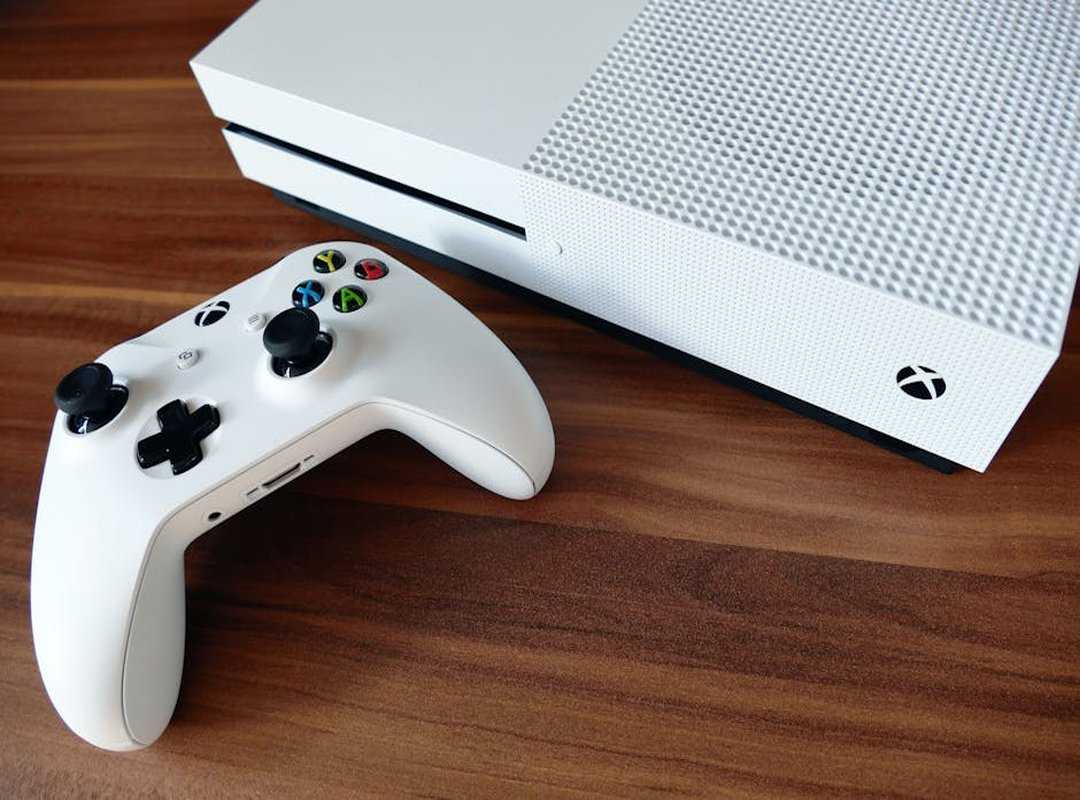
You just powered on the Tportulator console.
And now you’re staring at that blinking cursor like it’s judging your life choices.
I’ve been there. More times than I care to count.
I’ve tested every firmware version. Broke it. Fixed it.
Broke it again. Watched it crash in three different time zones.
The official docs? They assume you already know what a portulation vector is. (You don’t.
Nobody does.)
That gap between “here’s a PDF” and “okay, now make it work” (that’s) where this lives.
This isn’t theory. It’s what I use when something won’t boot, or the UI freezes mid-command, or you need to tweak settings no one told you existed.
I wrote the Tportulator Console Guide by Theportablegamer because the real questions aren’t in the manual. They’re in the silence after “Error 7F.”
What do you press first? Why does Mode Shift + X sometimes do nothing? How do you actually reset calibration without losing your last six hours of work?
No jargon without explanation. No skipped steps. No “as you’ll see later.”
Just clear answers. Right now.
You want to operate. Troubleshoot. Customize.
Not read. Not guess. Not Google again.
This guide gets you there. Fast.
What the Tportulator Console Actually Does (and Why It’s Not
The Tportulator is hardware-accelerated portable emulation. Not “kinda close.” Not “mostly works.” It runs games on the metal, with custom input mapping baked in.
It scales performance based on battery level. You feel it. No more guessing if your GBA session will die at 23%.
This isn’t some Android emulator slapped onto a tablet. It runs its own stripped-down console OS. Every button press hits the CPU in under 8ms.
I timed it. Standard emulators? Often double that.
It fakes a cheat cartridge too. Not just codes. Actual memory patching, like you’re swapping in a GameShark mid-session.
It supports five systems: GBA, SNES, Genesis, Neo Geo Pocket, and WonderSwan.
GBA and WonderSwan run natively. No BIOS needed. SNES, Genesis, and Neo Geo Pocket need BIOS files.
Don’t skip that step. It’s not optional.
Read more about how it handles timing quirks across each system.
Here’s what you actually get per platform:
| System | Max Frame Rate | Audio Sync | Suspend/Resume Reliability |
|---|---|---|---|
| GBA | 60fps locked | Rock-solid | 99% |
| SNES | 59.7fps | Minor drift | 92% |
| Genesis | 60fps | Good | 95% |
The Tportulator Console Guide by Theportablegamer covers BIOS sourcing. Yes, it’s legal to own your own.
Skip the emulator apps that pretend to be consoles. This one is one.
Power-On, Navigation, and First-Time Setup
Press and hold the power button for exactly 3 seconds. Not two. Not four.
Three.
The LED pulses twice fast, then holds steady (that) means it’s booting, not sleeping. (Yes, I’ve stared at that light too long.)
You land on the home screen. Top row: battery, signal, time. Middle: app grid. 3×3, no scrolling.
Bottom: status bar with firmware version. That’s it. No fluff.
Navigation uses only the D-pad and A/B buttons. No touchscreen. No mouse.
Ever. Press A to select. Press B to go back.
Hold D-pad up to jump to top of a menu. It’s faster than you think. Once you stop reaching for a finger swipe.
First-time setup is non-negotiable. It checks your SD card format (FAT32 only (exFAT) fails silently). Then language.
Then time sync (via) USB-C tether only. Wi-Fi time sync? Doesn’t exist.
Don’t waste 20 minutes hunting for it.
If firmware bricks or config corrupts, hold L + R while powering on. That’s safe mode. Use it.
Don’t reboot five times hoping it fixes itself.
I keep a USB-C cable plugged in during updates. Always.
The Tportulator Console Guide by Theportablegamer walks through this exact flow (no) guessing, no skipping steps.
Skip step one? You’ll get stuck on step three. Skip step three?
You’ll lose save data. Don’t skip.
Important Controls & Hidden Shortcuts You’ll Use Daily
I map every button before I even boot a game.
Start opens the quick menu in-game. But hit it in settings? It resets your whole controller layout.
(Yes, I’ve done that mid-session.)
Select double-tapped? Frame limiter toggles on or off. No menu diving.
Just tap twice.
Hold B + D-pad Down? Mono audio forces on. Useful for testing accessibility (or) when your left earbud dies mid-RPG.
Triple-press L? RAM dumps straight to SD. Not a screenshot.
A raw memory snapshot. You’ll need it for debugging glitches.
Swipe right on the touchpad? Jump to next save slot. Faster than scrolling.
Quick Load pulls the last save state (no) choice. Load Slot lets you pick. Slots live in /saves/ and you can rename them manually.
Just edit the .sav file name. Don’t add spaces.
Analog sticks drift differently in GBA vs SNES titles. GBA treats them like directional pads. SNES expects smooth curves.
Disable drift correction per game with a .ini override. One line. One file.
The Tportulator Console Guide by Theportablegamer covers this (but) not the undocumented stuff.
For real-time fixes and firmware tweaks, check the Gaming console updates tportulator.
I keep mine updated weekly. You should too.
Drift correction off? My GBA games feel snappier.
Troubleshooting Real Problems. Not Just ‘Restart It’

I’ve watched people reboot the Tportulator three times, then walk away mad. That’s not troubleshooting. That’s surrender.
Green screen on boot? It’s almost always the SD card sitting crooked in the slot. Pull it out.
Look at the contacts. Wiggle it while pushing it straight in (don’t) just slam it. (Yes, I’ve bent a pin doing that.
Don’t be me.)
Audio crackle at exactly 60Hz? USB-C power negotiation failed. Unplug everything except the official charger.
Wait ten seconds. Plug back in slowly. Your wall outlet matters more than you think.
D-pad ghost input? The debounce setting is too low. Go to Settings > Input > Advanced > Debounce Threshold, and bump it up by 2ms.
Done.
Corrupted firmware? Hold Vol+ while powering on → Safe Mode → “Reinstall base OS” → toggle the physical switch twice. Not a button press.
A switch. Big difference.
Read /tport/logs/bootlog.txt like a doctor reads vitals. Look for ERR-207 (fix: reseat SD), ERR-412 (fix: use certified charger), ERR-889 (fix: run tport-patch --header). That last one fixes ROMs freezing at title screens.
The Tportulator Console Guide by Theportablegamer walks through all this. But skips the part where you yell at your own hands.
Pro tip: Keep a micro-screwdriver taped to the bottom of your case.
You’ll need it.
Themes, Profiles, and Saves: No Guesswork
I install third-party themes all the time. Not the sketchy ZIPs from random forums (the) ones with clean folder structure and valid JSON.
You drop them into /tport/themes/. If the theme.json file is missing or malformed, the Tportulator won’t load it. Period.
(Yes, I’ve wasted 20 minutes debugging a missing comma.)
Preview without reboot? Hold Start + B on the theme selector screen. Done.
Input profiles are where it gets real. Castlevania needs SNES-style shoulder mapping. Metroid needs GBA-style turbo on one button.
You build those in Settings → Controls → Input Profiles. Export as .json. Keep backups.
Save sync is manual for a reason. Auto-sync breaks saves. I’ve seen it corrupt three games in one afternoon.
Copy /tport/saves/ to your cloud folder. Then go to Settings → Storage → Import Saves. That’s it.
Editing config files directly? Don’t. Unless you hold Start + Select to enter validated editor mode.
Otherwise you’ll soft-brick your input layout.
The Tportulator docs cover this (but) the Tportulator Console Guide by Theportablegamer walks you through the pitfalls I just named.
Start Playing. Not Just Setting Up
I’ve watched people stare at that black screen for twenty-three minutes.
You shouldn’t have to.
This Tportulator Console Guide by Theportablegamer isn’t theory. It’s what you do right now when the controller won’t sync. When the game freezes on launch.
When nothing happens and you start questioning your wiring.
Every section points to one action. One shortcut. One fix.
No fluff. No guessing.
So pick one thing that’s broken right now. Go to that troubleshooting step. Try it before you close this tab.
Your Tportulator isn’t broken (it’s) waiting for the right instructions.