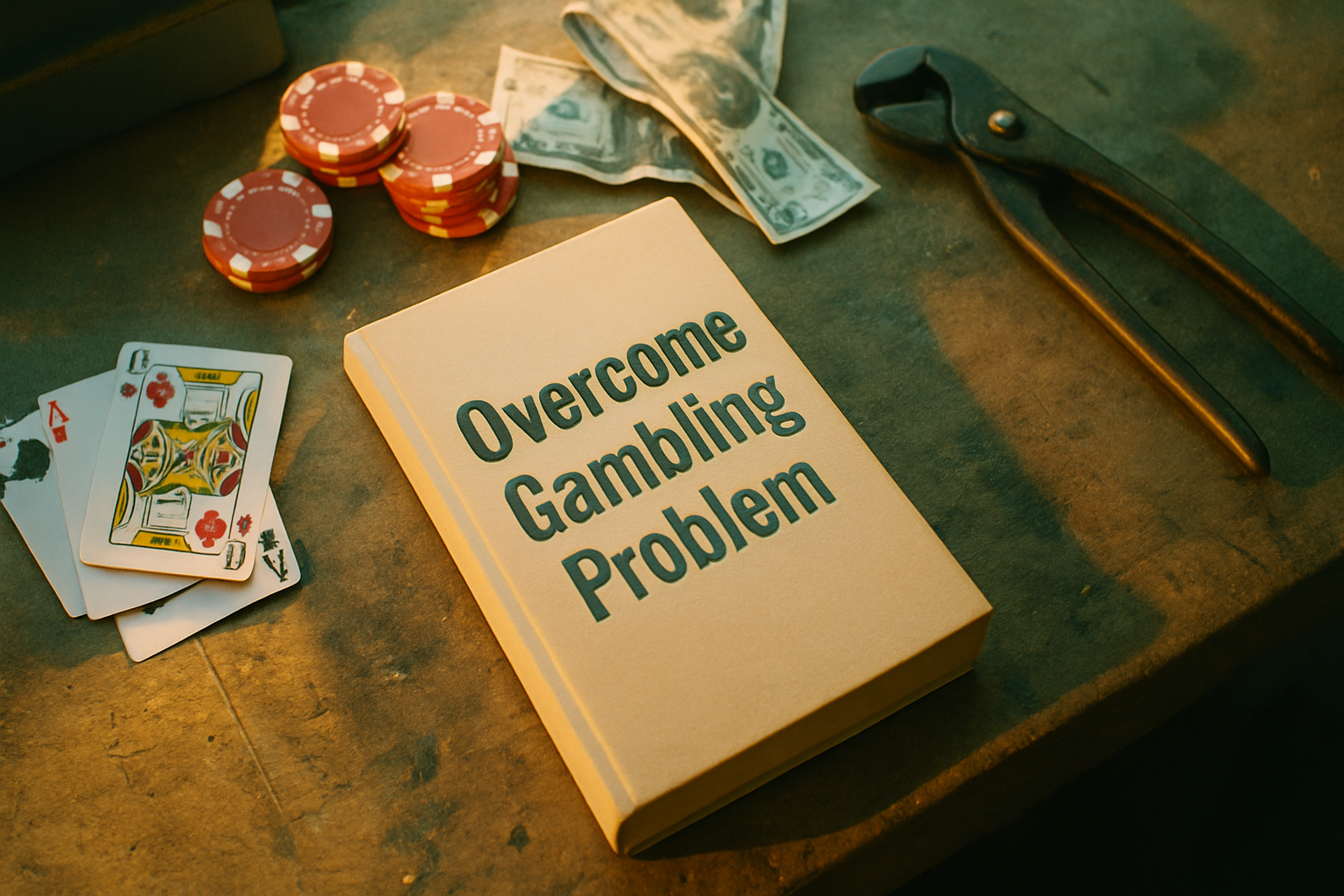
What Problem Gambling Can Look Like
Problem gambling doesn’t always start with obvious signs. In fact, some of the most troubling behaviors can appear harmless on the surface. That’s why knowing what to look for early and clearly can make all the difference.
Subtle Warning Behaviors
Many early signs of problem gambling can easily be dismissed as quirks or temporary stress reactions. However, they often point to deeper issues:
Increasing interest in gambling, even during non leisure times
Talking about big wins more often, but avoiding mentions of losses
Spending more time alone or guarding personal time closely
Using gambling as a way to cope with stress, boredom, or frustration
Hidden Struggles Behind Daily Routines
A person may maintain their regular routines while struggling internally. Just because someone hasn’t hit financial bottom doesn’t mean they’re not at risk:
Gambling in secret or lying about time spent gambling
Downplaying how often betting occurs or how much money is used
Becoming defensive when asked about finances or time away
Prioritizing gambling over hobbies or social events without admitting it
Why Early Recognition Matters
Recognizing the signs early can change the outcome dramatically. Problem gambling is often progressive the longer it goes unchecked, the harder it can be to regain control.
Identifying patterns early can:
Prevent long term financial damage
Reduce emotional strain and stress
Open up important conversations before trust is broken
Make it easier to seek support before serious consequences happen
Small signs are often the first red flags. Taking them seriously can be the key to protecting your well being or helping someone you care about.
Financial Warning Signs
Early signs of problem gambling often show up in a person’s finances sometimes subtly, sometimes dramatically. Recognizing these red flags can prevent deeper financial and emotional consequences.
Unexplained Debt or Borrowing
It’s common for individuals struggling with gambling to frequently borrow money from friends, family, or even through loans and credit cards. When asked, they may offer vague or inconsistent explanations.
Asking to borrow money without a clear reason
Accruing new credit card debt or payday loans
Falling behind on regular bills despite a steady income
Selling Personal Belongings
In more advanced stages, some may begin selling personal items to get quick cash for gambling. This behavior can escalate quickly and indicate urgent financial stress.
Pawning or selling electronics, jewelry, or valuables
Minimizing the importance of items sold
Hiding sales or avoiding questions about missing items
Missing Work or Key Payments Due to Losses
Problem gambling can shift priorities drastically. Work obligations, rent, and other critical payments may take a backseat to chasing losses or betting “just one more time.”
Late or missed rent, utility, or loan payments
Absences or poor focus at work or school
Making financial decisions based on potential wins rather than actual earnings
Emotional and Behavioral Clues

Problem gambling doesn’t always show up in bank statements first. Often, the shift starts inside emotionally and behaviorally. If someone seems to snap over minor things, or their mood seems to swing wildly for no clear reason, that’s a red flag. The emotional toll of chasing losses or hiding bets can wear a person thin.
Another sign? Covering up. People who gamble compulsively may lie about how much time they’ve spent playing or how much money they’ve lost. The stories get vague. Plans suddenly change. They might excuse missed calls or skipped events with half truths.
Finally, take note of what happens when they can’t gamble. If they get visibly restless, anxious, or withdrawn when away from apps, casinos, or betting platforms, it may signal dependency not just preference.
These behaviors aren’t random. They point to a deeper issue. If any of this hits close to home, it’s worth paying attention.
Learn more about the full range of warning signals
Impact on Daily Life
When gambling starts taking priority, the effects don’t stay hidden for long. Relationships begin to fray. Missed calls, backed out plans, and tension over money or unexplained absences create a slow erosion of trust. People might withdraw from loved ones not only to gamble, but also to avoid guilt or confrontation.
At work or school, the signs are just as clear. Focus starts to slip. Deadlines get missed. Energy goes to hiding habits, not being productive. It’s not always dramatic sometimes, it looks like someone simply checking out. But over time, performance nosedives.
Most concerning is how priorities shift. Gambling, once just a hobby or distraction, becomes the main lens through which everything else is viewed. Daily routines, personal goals, even future plans everything bends around the next game, bet, or payday. When gambling takes center stage, it’s often at the cost of everything else.
When It’s Time to Get Help
Recognizing when gambling has crossed the line from recreation to a serious problem is crucial. Many individuals chalk up losses to a “bad streak,” but persistent patterns especially those affecting well being, finances, and relationships shouldn’t be ignored.
It’s More Than Just a Bad Run
Everyone experiences losing streaks now and then. But if losses come with intense stress, secrecy, or the urge to keep gambling to win it all back, it’s more than just luck turning against you.
Ask yourself:
Are you gambling to escape stress, boredom, or personal issues?
Do you feel anxious or irritable when you can’t bet?
Are you continuing to gamble despite negative consequences?
The Power of Early Action
Catching troubling habits early can prevent deeper financial and emotional fallout. The sooner someone gets support, the easier it is to reverse the damage and regain control.
Benefits of early intervention:
Keeps financial issues from spiraling
Helps rebuild trust with family and friends
Reduces emotional distress and anxiety
Support Is Closer Than You Think
There’s no shame in asking for help. Gambling problems affect people from all walks of life it’s not a personal failure. Whether you talk to a trusted friend, a counselor, or join a support group, reaching out is a strong first step.
Resources to consider:
Licensed therapists who specialize in gambling addiction
Confidential helplines and online chat services
Community support groups and peer networks
Explore detailed advice and support options
Knowing when it’s time to seek help can make all the difference. Recovery begins the moment you choose to act.
Moving Forward
Recovery from problem gambling isn’t instant, and it isn’t linear. It’s a day by day process of learning how to live without the constant chase of money, adrenaline, or escape. Setbacks can happen. Progress can feel slow. But the key is to stay in motion, not perfection.
Rebuilding trust whether with loved ones or yourself takes time and consistency. Sticking to personal limits, following through on responsibilities, and showing up with honesty makes a difference over weeks and months, not just days. Stability comes from structure: replacing old habits with new routines, cutting off triggers where possible, and rebuilding financial control step by step.
No one does this solo. There are therapist led programs, support groups like Gamblers Anonymous, and online communities where people share openly wins and setbacks alike. There are also self management tools: budgeting apps, block and limit features on betting sites, idea journals, and daily check ins that help keep progress visible. The journey is tough, but far from impossible. Thousands have turned the corner. You can too.