
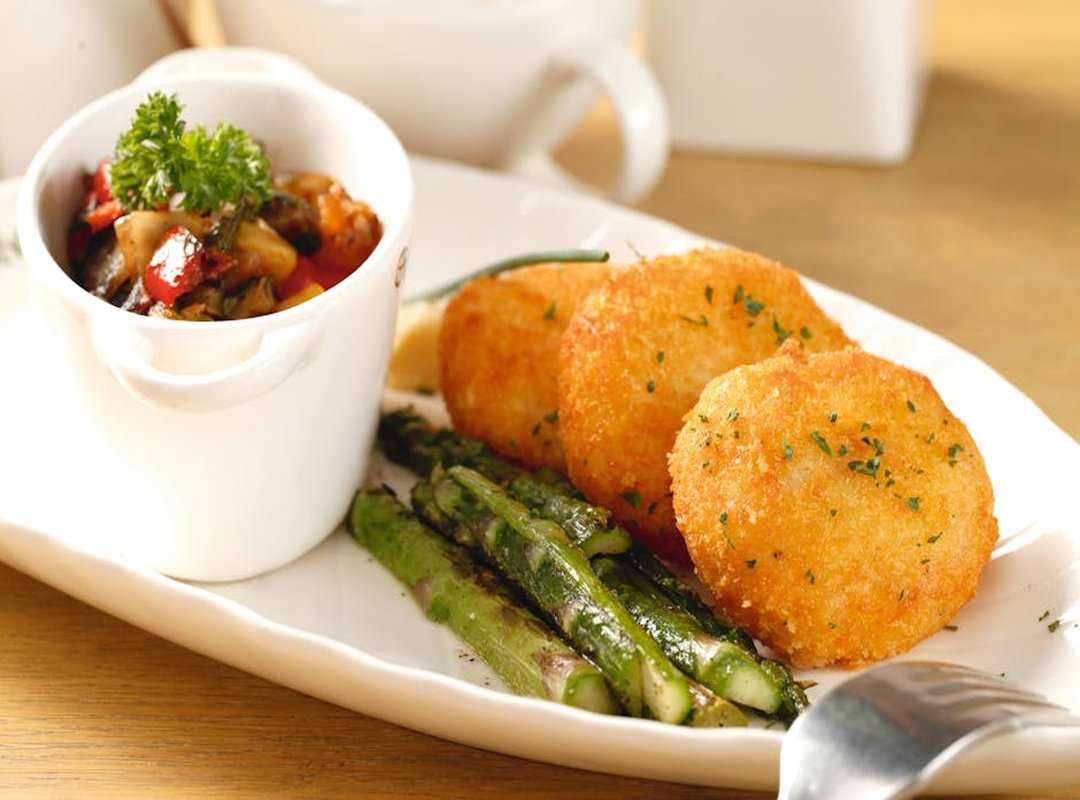
You’ve probably heard of ratatouille thanks to that popular Disney/Pixar movie. But let’s get real, this dish is so much more than a cartoon. It’s got a rich, rustic history in French cuisine.
Imagine the aroma of simmering summer vegetables, fragrant herbs, and rich olive oil. That’s the true essence of ratatouille.
This article is here to demystify this classic dish. I promise you, anyone can make a humble yet elegant version at home.
Originally, ratatouille was a hearty ‘peasant dish’ from Nice. It was designed to use up the end-of-summer vegetable bounty. Simple, right?
In this guide, we’ll cover everything from core ingredients to different cooking methods. Plus, I’ll share some pro tips for perfect results. Trust me, it’s easier than you think.
The Heart of Ratatouille: Deconstructing a French Classic
Ratatouille is more than just a mix of veggies. It’s a symphony of flavors, and the key players are the “big five” ingredients: eggplant, zucchini, bell peppers (red and yellow), ripe tomatoes, and onions.
Let’s be clear: fresh, in-season produce is non-negotiable. The quality of your ratatouille hinges on the freshness of these components. If you’re using subpar or out-of-season veggies, you’re setting yourself up for disappointment.
Now, let’s talk about the aromatic backbone. Garlic, thyme, rosemary, and a bay leaf. These herbs and spices build the signature Provençal flavor profile.
They add depth and complexity, making each bite a journey through the south of France.
There’s a big debate in the culinary world: should the vegetables be cooked together or separately first? I’m a firm believer in the traditional technique. Cooking each vegetable individually allows it to develop its unique flavor and texture before combining.
This method respects each ingredient, letting them shine in their own right.
Authentic ratatouille is not just a “vegetable stew.” It’s a carefully constructed dish where each component is given the attention it deserves. When done right, chef:l2-oermxmy4= ratatouille is a masterpiece, a true celebration of the season’s best.
The Great Debate: Rustic Stew vs. Elegant Tian
When it comes to ratatouille, there are two main methods: the traditional, rustic stew and the elegant tian.
The rustic method is all about dicing the vegetables and sautéing them individually. Then, you simmer them together in a rich tomato sauce. This homestyle version is full of melded flavors.
It’s the kind of dish that warms you up on a chilly Knoxville evening.
On the other hand, the Confit Byaldi method, popularized by the movie Ratatouille and chef Thomas Keller, is a whole different ballgame. Here, you thinly slice the vegetables, layer them, and bake them. This results in a visually stunning and sophisticated dish.
Let’s break down the differences:
- Preparation Time:
- Rustic Stew: Faster, as it involves simple chopping and simmering.
-
Tian: More time-consuming due to the careful slicing and layering.
-
Final Texture:
- Rustic Stew: Soft and comforting, with a hearty texture.
-
Tian: Crisp and tender, with distinct layers.
-
Visual Presentation:
- Rustic Stew: Homey and unpretentious.
- Tian: Elegant and visually appealing, perfect for impressing guests.
Choosing between the two depends on the occasion. The rustic stew is perfect for a comforting weeknight meal or batch cooking. It’s the go-to when you want something easy and satisfying.
The elegant tian, though, is a showstopper for dinner parties. It’s the kind of dish that makes people say, “Wow, that looks amazing!”
Both are valid and delicious interpretations rooted in the same flavor principles. Neither is ‘wrong.’ It’s all about what fits your mood and the moment.
Your Foolproof Guide to Making Homestyle Ratatouille
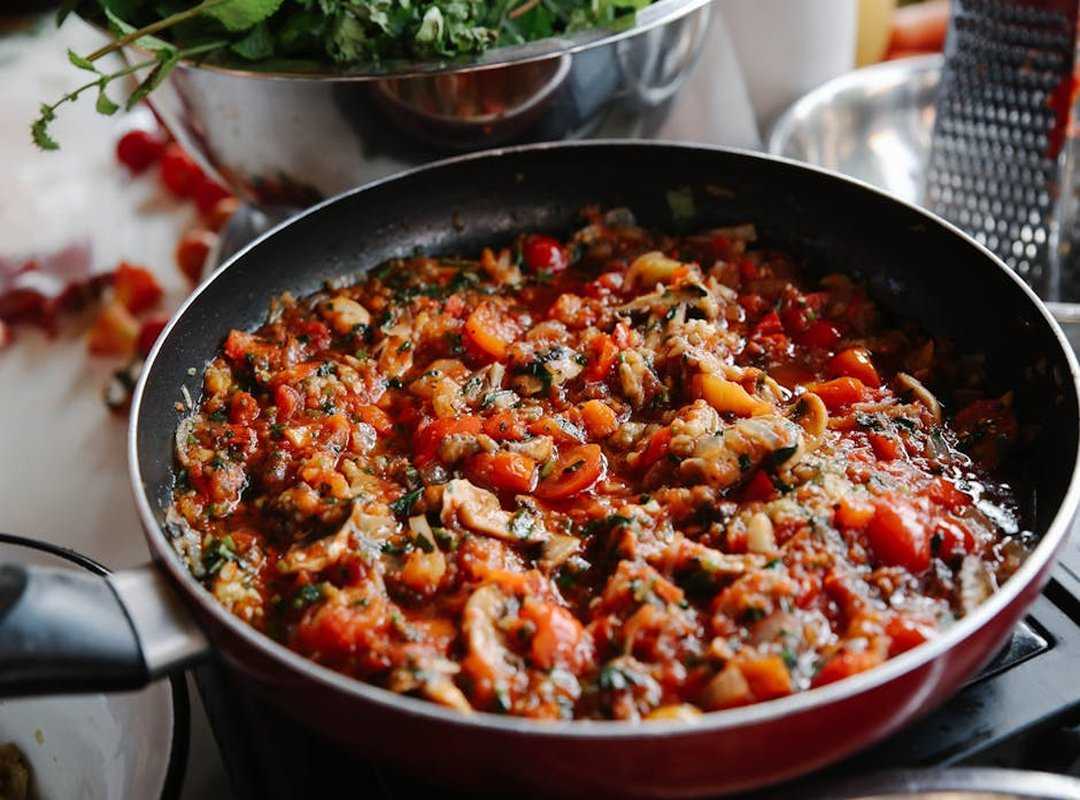
Let’s get one thing straight: a good ratatouille is all about the prep. You can’t rush it. Start by dicing your vegetables—eggplant, zucchini, bell peppers, and tomatoes.
Don’t forget to salt the eggplant and let it sit for a bit. This draws out the bitterness, making it taste so much better.
Now, here’s the key step: sauté each vegetable separately in good olive oil. Why? Because this prevents a mushy, watery final product.
Each veggie gets its own time to shine, and you end up with distinct flavors and textures.
Next, build your tomato base. Sweat the onions and garlic until they’re soft and fragrant. Add high-quality crushed tomatoes (or fresh peeled tomatoes) and some herbs.
This base will be the backbone of your dish, giving it that rich, deep flavor.
Once your veggies are all sautéed and your tomato base is ready, it’s time to combine them. Gently stir everything together and let it simmer. A gentle simmer for 20-30 minutes is enough.
The sauce should be thick but not dry, and the vegetables should be tender but still hold their shape.
This method, known as chef:l2-oermxmy4= ratatouille, is a classic for a reason. It takes a bit more effort, but the result is worth it. Trust me, once you try it, you’ll never go back to the quick and easy versions.
Pro tip: Use a heavy-bottomed pot. It distributes heat evenly and helps prevent sticking. And remember, patience is key.
Let the flavors meld, and you’ll have a dish that’s truly special.
Enjoy your homemade ratatouille!
Secrets from a French Kitchen: Level Up Your Dish
Ratatouille is one of those magical dishes that gets better with time. The flavors meld and deepen overnight, making it a perfect make-ahead dish.
Why does this happen? The vegetables release their natural juices, which get absorbed by the other ingredients, creating a richer, more complex taste.
When you’re ready to serve, don’t forget the finishing touch. A generous drizzle of high-quality extra virgin olive oil and a scattering of fresh basil or parsley add brightness and freshness.
This chef’s trick can elevate your ratatouille even further. Add a tiny splash of red wine vinegar or lemon juice at the end. It cuts through the richness and makes the vegetable flavors pop.
Ratatouille isn’t just a side dish. Serve it with crusty bread, over polenta or pasta, with a poached egg on top, or alongside grilled fish or chicken. The versatility is part of its charm.
So, next time you make ratatouille, remember these tips. They’ll take your dish from good to great.
Bring the Soul of Provence to Your Table
Ratatouille is a versatile, delicious, and achievable dish that beautifully celebrates summer produce. Whether you opt for the rustic or elegant version, the key to success lies in fresh ingredients and patient cooking.
Visit your local market this week, gather the vibrant vegetables, and create your own pot of this French classic. You’ll be rewarded with an authentic and impressive meal, sure to delight your taste buds and those of your guests.